
Packaging Design Tips for Chinese Private Label Brands
- Market context and consumer expectations
- Understanding global consumer signals
- Defining packaging objectives linked to sales channels
- Brand promise translated into packaging KPIs
- Materials & sustainability
- Comparing common materials
- Designing for recyclability and claims
- Structural design, protection & functionality
- Protect product integrity — barrier & dispensation
- Prototyping & testing with Chinese factories
- Cost vs. resilience trade-off
- Visual branding, labelling & compliance
- Visual hierarchy and shelf impact
- Regulatory and labeling requirements
- Language, translations and localization
- Supplier selection, quality control and IP protection
- Selecting the right China supplier
- Quality control checkpoints
- Protecting IP and design assets
- Sustainability, certifications and claims validation
- Third-party certifications and when to use them
- Lifecycle thinking and end-of-life
- Practical checklist & sample timeline
- Pre-launch packaging checklist
- Sample timeline (8–16 weeks)
- Why Wholesale-in-China helps private label brands
- Data & references
- FAQ
- 1. What material is best for serums in China Skincare products?
- 2. How can I ensure my packaging meets US/EU labeling requirements?
- 3. Are sustainable materials more expensive?
- 4. What are typical lead times for packaging tooling in China?
- 5. How do I test compatibility between formulation and packaging?
- 6. Can Wholesale-in-China help with supplier audits and QC?
Packaging Design Tips for Chinese Private Label Brands — concise guide for indexing: This article explains how China Skincare products private-label teams should approach packaging design to meet international market expectations, regulatory requirements, sustainability goals and brand positioning. It connects design strategy to manufacturing realities in China, providing material comparisons, structural considerations, labelling compliance references and supplier selection tactics to lower risk and speed time-to-market.
Market context and consumer expectations
Understanding global consumer signals
Private label brands producing China Skincare products must interpret three converging consumer signals: clean/safe ingredient claims, High Quality unboxing experiences, and sustainability transparency. Research from market analysts shows consumers increasingly equate packaging quality with product efficacy and brand trust (see packaging fundamentals on Wikipedia: Packaging). For a Chinese manufacturer or brand, aligning packaging with the target market's expectations (e.g., EU vs. US vs. Southeast Asia) is the first design filter.
Defining packaging objectives linked to sales channels
Decide if the packaging primarily serves ecommerce (requires protective secondary packaging, attractive photography surface, and clear claims), retail shelves (visual differentiation, UPC/GS1 barcodes) or both. Packaging for cross-border ecommerce must also account for postal durability and weight optimization to control logistics cost.
Brand promise translated into packaging KPIs
Translate brand promise into measurable KPIs: perceived High Quality score (consumer testing), damage rate in transit (%), regulatory compliance rate (first-pass approval), and cost per unit. These KPIs inform trade-offs between glass vs. PET, embossed labels vs. printed decoration, and production lead times.
Materials & sustainability
Comparing common materials
Choosing between glass, PET, HDPE, aluminum and paperboard means trading off weight, barrier properties, recyclability and perceived value. The table below summarizes typical strengths and weaknesses relevant to China Skincare products.
| Material | Barrier / Protection | Sustainability | Perceived Value | Typical Use |
|---|---|---|---|---|
| Glass | Excellent (inert) | Highly recyclable, heavier | High (High Quality) | Serums, creams, luxury lines |
| PET | Good, can be oxygen-barrier coated | Widely recyclable (subject to local systems) | Mid (versatile) | Lotions, mass-market serums |
| HDPE | Good, chemical resistant | Recyclable (limited by local streams) | Mid-low | Bulk cleansers, pump bottles |
| Aluminum | Excellent (lightweight barrier) | Highly recyclable | High | Tubes, airless pumps |
| Paperboard | Low (needs liners) | Highly recyclable/compostable options | Variable (depends on finishing) | Secondary packaging, cartons |
Designing for recyclability and claims
Recyclability claims must be backed by material choice and supply chain transparency. For instance, mono-material constructions (e.g., polypropylene-only tubes) simplify recycling compared with mixed material laminates. Refer to local certification and guidance such as ISO standards on packaging management and labeling (ISO 9001) and government recycling schemes where you sell.
Structural design, protection & functionality
Protect product integrity — barrier & dispensation
For active ingredients common in China Skincare products (vitamin C, retinoids, peptides), oxidation and light exposure are primary risks. Specify amber or opaque containers, airless pump options, and inner seals where necessary. The structural design should reduce headspace and limit air ingress — this extends shelf life and reduces need for higher preservative levels.
Prototyping & testing with Chinese factories
Work with Chinese suppliers to create rapid prototypes: 3D printed masters, short-run runs, and mold-flow tests. Validate prototypes through environmental testing (temperature cycling, humidity, drop tests). For drop and transit testing refer to standards like ISTA protocols; many packaging houses in China can perform ISTA tests to simulate courier handling.
Cost vs. resilience trade-off
Use a decision matrix comparing unit cost, weight (logistics cost), damage probability and brand impact. For example, switching from glass to a PET alternative may reduce damage rates and shipping costs dramatically for cross-border ecommerce, even if perceived value reduces slightly. Quantify this using your KPIs to make data-driven choices.
Visual branding, labelling & compliance
Visual hierarchy and shelf impact
Design labels with a clear visual hierarchy: brand logo, product name & function, hero ingredient, and claim badges. For ecommerce thumbnails, ensure legibility at small sizes and create imagery that communicates key selling points even when the consumer only sees a 300 px thumbnail.
Regulatory and labeling requirements
Different markets have distinct labeling rules. For the US, the FDA outlines cosmetic labeling and claims guidance (FDA Cosmetics Overview). For the EU, Cosmetic Regulation (EC) No 1223/2009 governs ingredient lists and claims. Make sure INCI names are included for skincare ingredients and ensure claims about medical benefits are not made unless you meet drug regulations.
Language, translations and localization
Localize copy—not just translate. Consumers evaluate scent, texture and claims differently by culture. Use native copywriters for market-specific claims. For Chinese domestic packaging, include GB/T standards as needed and ensure Chinese-language labels meet local regulations if selling on Alibaba, Tmall or JD.
Supplier selection, quality control and IP protection
Selecting the right China supplier
When sourcing packaging in China, screen suppliers for tooling capability, PAT (pasteurization/clean room) capabilities if needed, and experience with cosmetic-grade materials. Request samples, visit factories when possible, and audit quality systems (e.g., ISO 9001 certification). Verify previous clients and look for suppliers with export experience for the intended market.
Quality control checkpoints
Define incoming inspection (IQC) standards and first article inspection (FAI) requirements. Typical checks include dimensional tolerances, print registration, seal integrity, and compatibility with product formulations (leaching tests). Use AQL sampling plans and include pre-shipment inspection (PSI).
Protecting IP and design assets
Use NDAs and registered design patents where relevant. Store tool & mold ownership terms clearly in contracts. Consider registering trademarks in your primary markets before large scale production to avoid copycat issues.
Sustainability, certifications and claims validation
Third-party certifications and when to use them
Certifications such as FSC for paperboard, recycling labels verified by local authorities, or ISO certifications for factory management all add credibility. For sustainability claims, rely on verifiable chain-of-custody data and, where possible, lifecycle assessments (LCA). WHO guidance on chemicals and safety can provide high-level context for ingredient safety (WHO).
Lifecycle thinking and end-of-life
Design packaging for end-of-life (recyclability or compostability). Prioritize mono-materials or design for disassembly (e.g., screw-off pumps) to ensure recycling streams can process packaging effectively.
Practical checklist & sample timeline
Pre-launch packaging checklist
- Define target market regulations and complete label copy in local language(s).
- Select material and finish; obtain material safety and recyclability documentation.
- Produce prototypes and run ISTA or equivalent tests.
- Perform compatibility and migration tests between formulation and packaging.
- Agree tooling ownership, lead times and QC acceptance criteria with supplier.
Sample timeline (8–16 weeks)
Week 1–2: brief and select supplier. Week 3–6: prototype and small-batch trials. Week 7–10: testing and certification. Week 11–14: tooling & mass production setup. Week 15–16: final inspection and shipping. Timelines vary by complexity and seasonal factory workload.
Why Wholesale-in-China helps private label brands
Wholesale-in-China is an information platform that provides details of suppliers from a variety of Chinese industries. We offer consulting services for products purchased from China, including those from the amusement and animation, lighting, electronics, home decoration, engineering machinery, mechanical equipment, packaging and printing, toys and sports goods, medical instruments and equipment, metals, auto parts, plastics, electrical appliances, health and personal care, fashion and beauty, sports and entertainment, furniture, and raw materials industries. We provide professional guidance and services to help global buyers purchase products in China. We have an in-depth understanding of suppliers in various industries and can introduce you to well-known brands. Our goal is to become the most professional procurement consulting platform.
Wholesale-in-China stands out by combining an extensive supplier database with hands-on consulting: we identify China supplier options from China factory and China manufacturer tiers, advise on tooling and QC plans, and facilitate communication across language and regulatory barriers. For brands sourcing packaging for China Skincare products, Wholesale-in-China helps validate suppliers' technical capabilities (e.g., cleanroom production, cosmetic-grade coatings) and negotiate terms that protect IP and ensure product compliance across markets.
Data & references
Regulatory and standards references you can consult:
- FDA cosmetics overview and labeling: https://www.fda.gov/cosmetics/
- Packaging fundamentals (Wikipedia): https://en.wikipedia.org/wiki/Packaging
- ISO quality management overview: https://www.iso.org/iso-9001-quality-management.
- World Health Organization: https://www.who.int/
FAQ
1. What material is best for serums in China Skincare products?
For serums with oxidation-prone actives, opaque glass or amber PET with airless dispensers are common choices. Glass provides inertness and High Quality feel; PET reduces breakage and weight for cross-border shipments.
2. How can I ensure my packaging meets US/EU labeling requirements?
Follow FDA guidance for the US (FDA) and Regulation (EC) No 1223/2009 for the EU. Use INCI names for ingredients, avoid drug claims, and include required net content and manufacturer/importer details.
3. Are sustainable materials more expensive?
Not always. Some recyclable materials (e.g., mono-PET bottles) can be cost-competitive at scale compared with complex multi-layer laminates. Factor in logistics and disposal savings when evaluating total cost.
4. What are typical lead times for packaging tooling in China?
Simple molds and tooling can take 4–6 weeks; complex multi-cavity molds with metal finishing can take 8–12 weeks. Always add testing and sample approval time.
5. How do I test compatibility between formulation and packaging?
Conduct migration and stability testing: accelerated aging (e.g., 40°C/75% RH), light exposure, and real-time stability. Third-party labs and some Chinese manufacturers provide compatibility testing services.
6. Can Wholesale-in-China help with supplier audits and QC?
Yes. Wholesale-in-China provides consulting to evaluate China suppliers, arrange factory audits, and set up QC checkpoints to ensure packaging quality and regulatory alignment.
Contact us to discuss packaging strategies for your China Skincare products, request supplier introductions or schedule a consultation. View our product and supplier listings or request a tailored sourcing plan — Wholesale-in-China can help you move from design to compliant production with reduced risk.
Call-to-action: For an assessment of your packaging needs, sample sourcing or a factory match, contact Wholesale-in-China today — request a consultation or view our China supplier, China factory and China manufacturer listings on Wholesale in China.
Top 10 cardboard packaging box Manufacturers and Suppliers in China
Ingredient Traceability and Supplier Transparency China
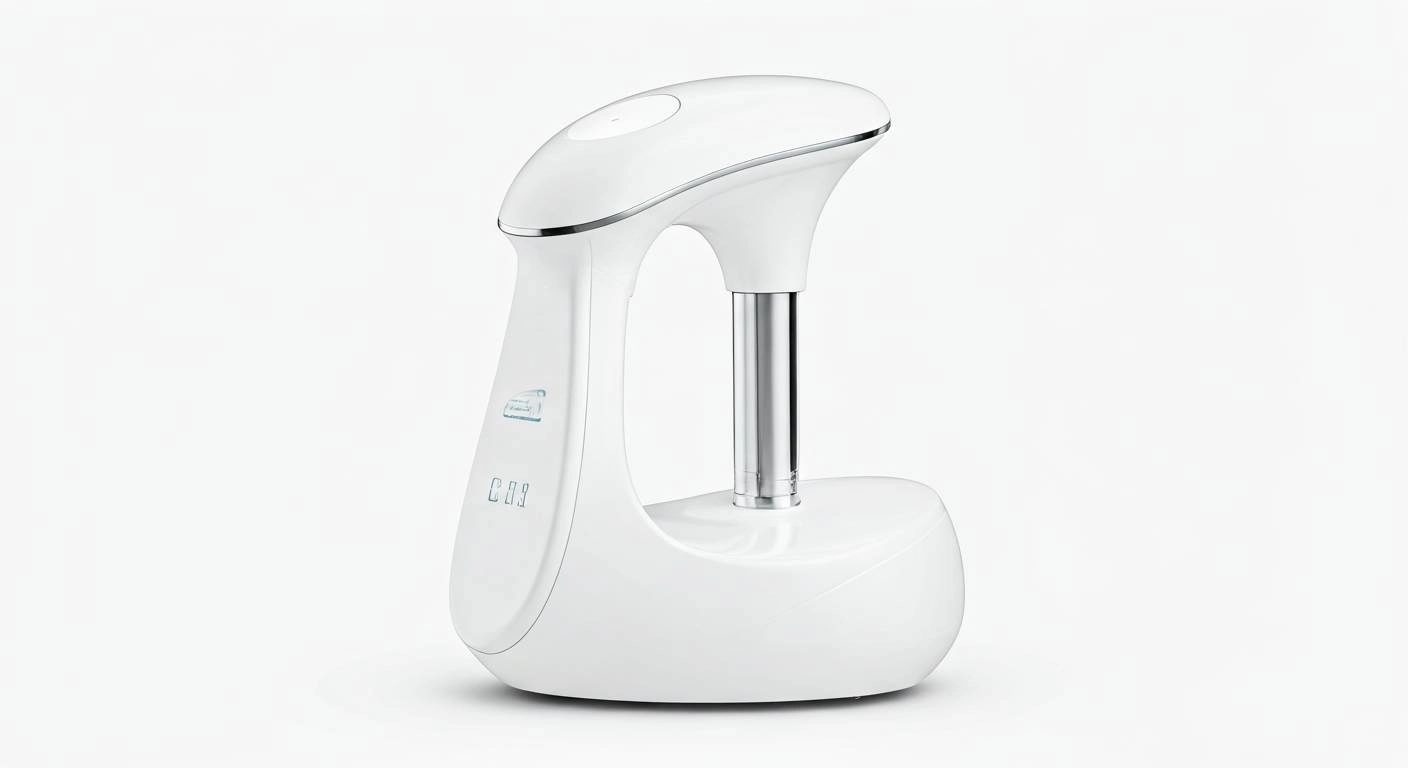
Top Hydra Facial Machine Manufacturers and Suppliers in China
Sustainable coatings and laminations for China packaging boxes
Industry Focus & Article Types
Do you offer multilingual content?
We currently focus on English but can collaborate with partners for multilingual versions.
What industries do you cover?
We cover a wide range of manufacturing sectors including electronics, textiles, automotive parts, beauty equipment, packaging, machinery, and more.
Advertising & Backlinks
Can I add a backlink to my product page?
Yes, backlinks to your homepage, product pages, or landing pages are permitted.
Do you offer advertising opportunities?
Yes, we offer homepage banner ads, sponsored posts, industry category sponsorships, and more.
General Information
Is your content written by experts?
Yes, our editorial team includes SEO experts, industry researchers, and native English content writers who ensure high-quality, fact-checked, and SEO-optimized content.
Mobile/WeChat: +86 138 2228 9948
Address: 4F, Jintai Business Building, Mogunan Street, Yongtai, Baiyun District, Guangzhou, Guangdong Province, China.
Wholesale-in-China
Wholesale-in-China
Wholesale-in-China