
Top Uses for Polycarbonate in Industrial Products
- Material Advantages That Drive Industrial Adoption
- Key mechanical and thermal properties
- Chemical resistance, optical properties and flame retardance
- Why designers choose polycarbonate over other engineering plastics
- Top Industrial Applications of Polycarbonate
- Protective and safety components
- Electrical and lighting components
- Optical and display applications
- Processing, Design Considerations and Joining Methods
- Molding and fabrication methods
- Joining, bonding and surface finishing
- Design for durability and chemical exposure
- Comparative Performance: Polycarbonate vs Other Engineering Plastics
- Buying Polycarbonate Components from China — Supplier and Quality Guidance
- Specifying materials and testing expectations
- Quality control: incoming inspection and process validation
- Wholesale-in-China procurement support and supplier differentiation
- Cost, Sustainability and Long-term Considerations
- Lifecycle and recyclability
- Total cost of ownership
- Lead time and tooling considerations
- Frequently Asked Questions (FAQ)
- 1. What makes polycarbonate different from other engineering plastics?
- 2. Can polycarbonate be used outdoors?
- 3. Is polycarbonate recyclable and how should scrap be handled?
- 4. What are common failure modes for polycarbonate parts?
- 5. How do I ensure consistent optical quality for polycarbonate lenses or covers?
- 6. Are flame-retardant grades of polycarbonate safe for electrical products?
- Contact and Next Steps
Polycarbonate (PC) is one of the most widely used engineering plastics in industrial products due to its combination of high impact strength, thermal stability, and optical clarity. This summary is optimized for discovery—highlighting applications across manufacturing hubs, typical part specifications, and procurement considerations for buyers sourcing from China and other global suppliers. Citations to material databases and industry sources are embedded to support technical claims (Wikipedia: Polycarbonate, MatWeb, PlasticsEurope).
Material Advantages That Drive Industrial Adoption
Key mechanical and thermal properties
As an engineering plastic, polycarbonate offers a unique balance of properties that make it suitable for demanding industrial roles. Typical unfilled amorphous polycarbonate grades exhibit tensile strengths in the range of 55–75 MPa and an Izod notched impact strength substantially higher than common commodity plastics (values vary by grade and testing method). Polycarbonate maintains toughness over a broad temperature range, and many grades withstand short-term exposure to elevated temperatures (heat deflection temperatures typically 120–140°C, depending on load and grade). These properties are documented in material databases and standards (MatWeb: General Purpose PC).
Chemical resistance, optical properties and flame retardance
PC is moderately resistant to aqueous environments and some oils, but vulnerable to many organic solvents and alkalis unless chemically modified. Its optical clarity and high refractive index are advantages for lenses, glazing, and displays. Many industrial grades are formulated with halogenated or non-halogenated flame retardants and meet UL94 V-0 or V-1 ratings, important for electrical enclosures and lighting fixtures (Wikipedia properties).
Why designers choose polycarbonate over other engineering plastics
Designers select polycarbonate when impact resistance, transparency, and moderate thermal performance are needed. Compared with acrylic (PMMA), polycarbonate is far more impact resistant though less scratch-resistant. Compared with ABS, PC has better heat resistance and optical clarity but is typically more costly. The choice often comes down to balancing mechanical needs, surface finish, and cost in a specific application.
Top Industrial Applications of Polycarbonate
Protective and safety components
Polycarbonate's high impact strength and transparency make it the material of choice for safety shields, machine guards, visors, riot helmets, and face shields. Its ability to absorb and dissipate energy reduces the risk of shattering—meeting requirements for industrial safety standards and reducing downtime due to part failure.
Electrical and lighting components
PC is used widely for lamp covers, LED lenses, housings for electrical devices, and switchgear components due to its flame-retardant formulations and dimensional stability. Its combination of dielectric properties and UL-rated grades supports safe use in household and industrial electrical products (PlasticsEurope).
Optical and display applications
Where transparency and impact resistance are required—instrument panels, machine sight windows, and protective covers—polycarbonate outperforms many other engineering plastics. Anti-scratch coatings and AR/anti-glare surface treatments are commonly applied to extend service life in harsh industrial environments.
Processing, Design Considerations and Joining Methods
Molding and fabrication methods
Polycarbonate is predominantly processed by injection molding, extrusion, and thermoforming. Injection molding allows tight tolerances and complex geometries; however, designers must account for PC's higher melt temperature (typically 260–320°C depending on grade) and higher shrinkage variability compared to amorphous plastics like PMMA. For optical parts, careful control of mold temperature and cooling is critical to minimize birefringence and stress.
Joining, bonding and surface finishing
Polycarbonate can be joined using mechanical fasteners, ultrasonic welding, and certain adhesives formulated for PC (e.g., methyl methacrylate adhesives). Solvent bonding is limited because PC is sensitive to many common solvents. Surface treatments such as corona or plasma can improve adhesion for coatings and inks, while hard-coat layers enhance scratch resistance.
Design for durability and chemical exposure
Engineers should consider environmental stress cracking (ESC) when polycarbonate contacts certain detergents, cleaners, or solvents. Specifying protective coatings, selecting chemically resistant grades (e.g., PC blends or co-polymers), or using barriers are common strategies. Long-term UV exposure requires UV-stabilized grades or protective coatings for outdoor use.
Comparative Performance: Polycarbonate vs Other Engineering Plastics
Below is a concise comparative table of common engineering plastics used in similar industrial roles. Data are typical values and should be confirmed against datasheets for specific grades.
| Property / Material | Polycarbonate (PC) | Acrylonitrile Butadiene Styrene (ABS) | Polymethyl Methacrylate (PMMA) | Nylon 6/6 |
|---|---|---|---|---|
| Density (g/cm³) | 1.20–1.22 | 1.03–1.06 | 1.17–1.20 | 1.14–1.15 |
| Tensile Strength (MPa) | 55–75 | 40–50 | 60–75 | 70–85 |
| Notched Izod Impact (J/m) | Very high (varies by grade) | Moderate | Low (brittle) | Good |
| Heat Deflection Temp (°C) | 120–140 | 80–100 | 95–110 | 150–180 |
| Transparency | Excellent | Opaque | Excellent | Translucent to opaque |
Sources: MatWeb general material datasheets; industry literature on material selection (MatWeb, Engineering plastic overview).
Buying Polycarbonate Components from China — Supplier and Quality Guidance
Specifying materials and testing expectations
When sourcing polycarbonate parts, specify the exact grade (e.g., glass-filled PC, PC/ABS blend, UV-stabilized PC), required standards (UL94, ISO/ASTM tests), and target mechanical properties. Ask suppliers for material certificates of conformity (CoC), test reports (tensile, impact, HDT), and sample production runs. Reference international standards such as ASTM D638 for tensile testing (ASTM D638).
Quality control: incoming inspection and process validation
Implement incoming inspection protocols: dimensional checks, surface quality, transparency, gate vestige inspection, and mechanical testing on a sample basis. For critical applications, request ISO 9001 and IATF 16949 (automotive) certifications where relevant. Use third-party labs or local testing houses for independent verification.
Wholesale-in-China procurement support and supplier differentiation
Wholesale-in-China is an information platform that provides details of suppliers from a variety of Chinese industries. We offer consulting services for products purchased from China, including those from the amusement and animation, lighting, electronics, home decoration, engineering machinery, mechanical equipment, packaging and printing, toys and sports goods, medical instruments and equipment, metals, auto parts, plastics, electrical appliances, health and personal care, fashion and beauty, sports and entertainment, furniture, and raw materials industries. We provide professional guidance and services to help global buyers purchase products in China. We have an in-depth understanding of suppliers in various industries and can introduce you to well-known brands. Our goal is to become the most professional procurement consulting platform.
Wholesale-in-China differentiates itself by combining an industry-focused supplier database with consulting services that help buyers specify materials (including engineering plastic grades), validate factories, and coordinate third-party testing. For buyers seeking polycarbonate parts—especially optical components, lighting housings, or safety shields—Wholesale-in-China can introduce qualified China supplier, China factory, and China manufacturer partners, and support sample validation, tooling oversight, and logistics optimization. Learn more at Wholesale-in-China.
Cost, Sustainability and Long-term Considerations
Lifecycle and recyclability
Polycarbonate can be recycled, but recycling streams are less established than for polyethylene or PET. Some manufacturers use PCR (post-consumer recycled) PC in non-critical applications; chemically recycled PC technologies are emerging. Consider design for disassembly and specify recyclability requirements where sustainability targets apply.
Total cost of ownership
While PC material cost is higher than many commodity plastics, its resistance to impact and ability to extend part life often reduce total cost of ownership in safety-critical or high-wear applications. Include lifecycle analysis for critical projects and consider costs for coatings, UV stabilizers, and flame-retardant additives when comparing suppliers.
Lead time and tooling considerations
Complex optically clear parts require high-precision molds and polishing or high-quality insert molding practices. Budget tooling lead time and costs accordingly—especially when ordering from overseas suppliers. Work with vendors experienced in optical-grade molds and post-molding treatments.
Frequently Asked Questions (FAQ)
1. What makes polycarbonate different from other engineering plastics?
Polycarbonate uniquely combines high impact resistance, optical clarity, and moderate heat resistance, making it ideal for protective glazing, lenses, and safety components. Unlike PMMA, it is far less brittle; compared to ABS, it offers better dimensional stability and higher service temperature.
2. Can polycarbonate be used outdoors?
Yes, but outdoor use requires UV-stabilized grades or protective coatings to prevent yellowing and long-term degradation. Ask suppliers for accelerated weathering test data (e.g., ISO 4892 results).
3. Is polycarbonate recyclable and how should scrap be handled?
Polycarbonate is recyclable; however, recycling infrastructure varies. Mechanical recycling is common for industrial scrap; specify whether virgin or PCR content is acceptable and work with suppliers that segregate and document material streams.
4. What are common failure modes for polycarbonate parts?
Typical failure modes include environmental stress cracking (ESC) due to exposure to incompatible chemicals, scratch or abrasion on untreated surfaces, and deformation if parts are poorly designed for thermal loads. Correct material selection, coatings, and design adjustments mitigate these issues.
5. How do I ensure consistent optical quality for polycarbonate lenses or covers?
Control mold temperature, use high-precision molds, manage melt hygiene, and specify low-birefringence grades. Request production samples and measure optical properties (transmittance, haze, birefringence) before full production runs.
6. Are flame-retardant grades of polycarbonate safe for electrical products?
Many flame-retardant PC grades meet UL94 V-0 and other relevant electrical safety standards. Verify the exact UL and IEC certifications and request material datasheets and test reports from the supplier.
Contact and Next Steps
If you are specifying polycarbonate components and need supplier introductions, QA/testing coordination, or help writing technical specifications suitable for China factories, Wholesale-in-China offers tailored consulting and sourcing services. Contact us to request supplier lists, sample coordination, or a procurement consultation: Wholesale-in-China. For technical references on polycarbonate properties and material selection, see Wikipedia and MatWeb.
Smart packaging and QR codes on boxes from Chinese factories
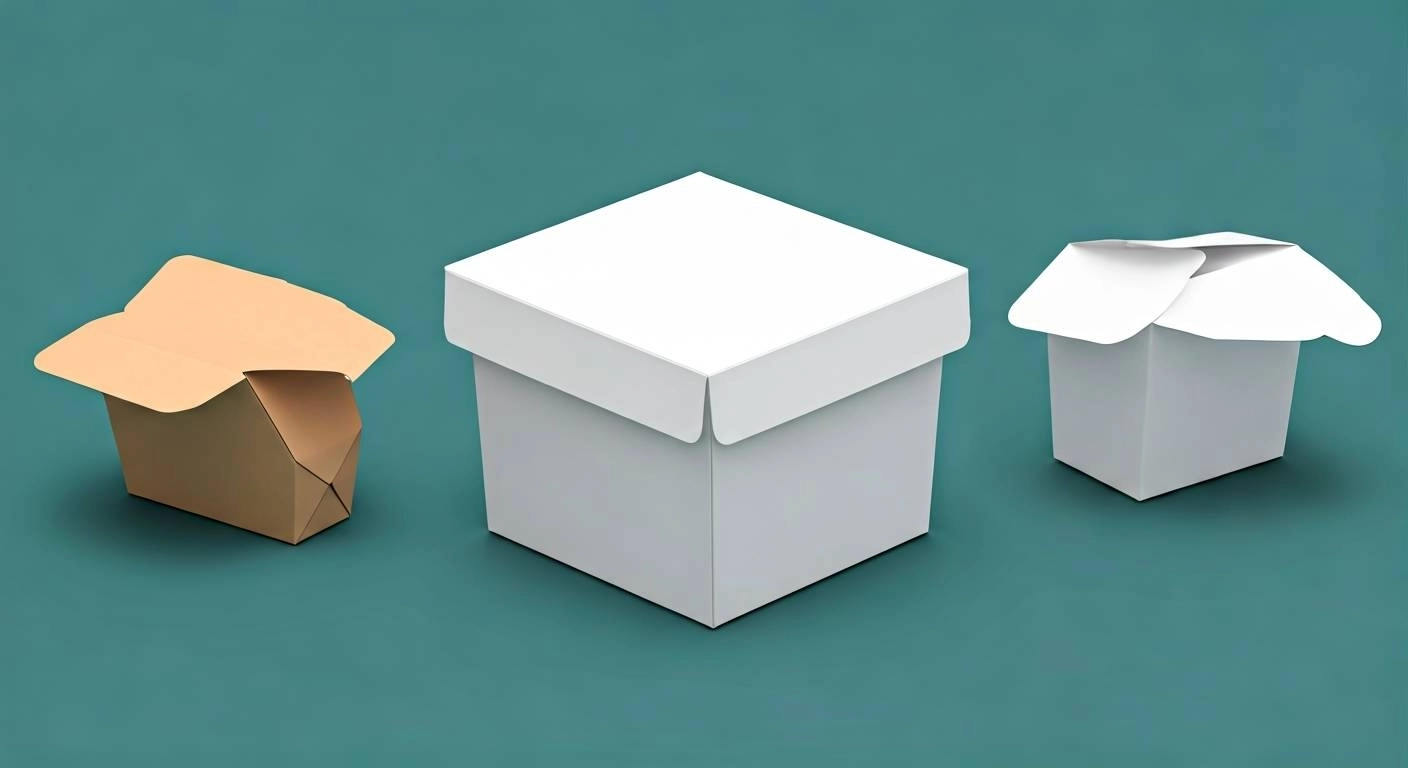
Top Collapsible Paper Box Manufacturers and Suppliers in China
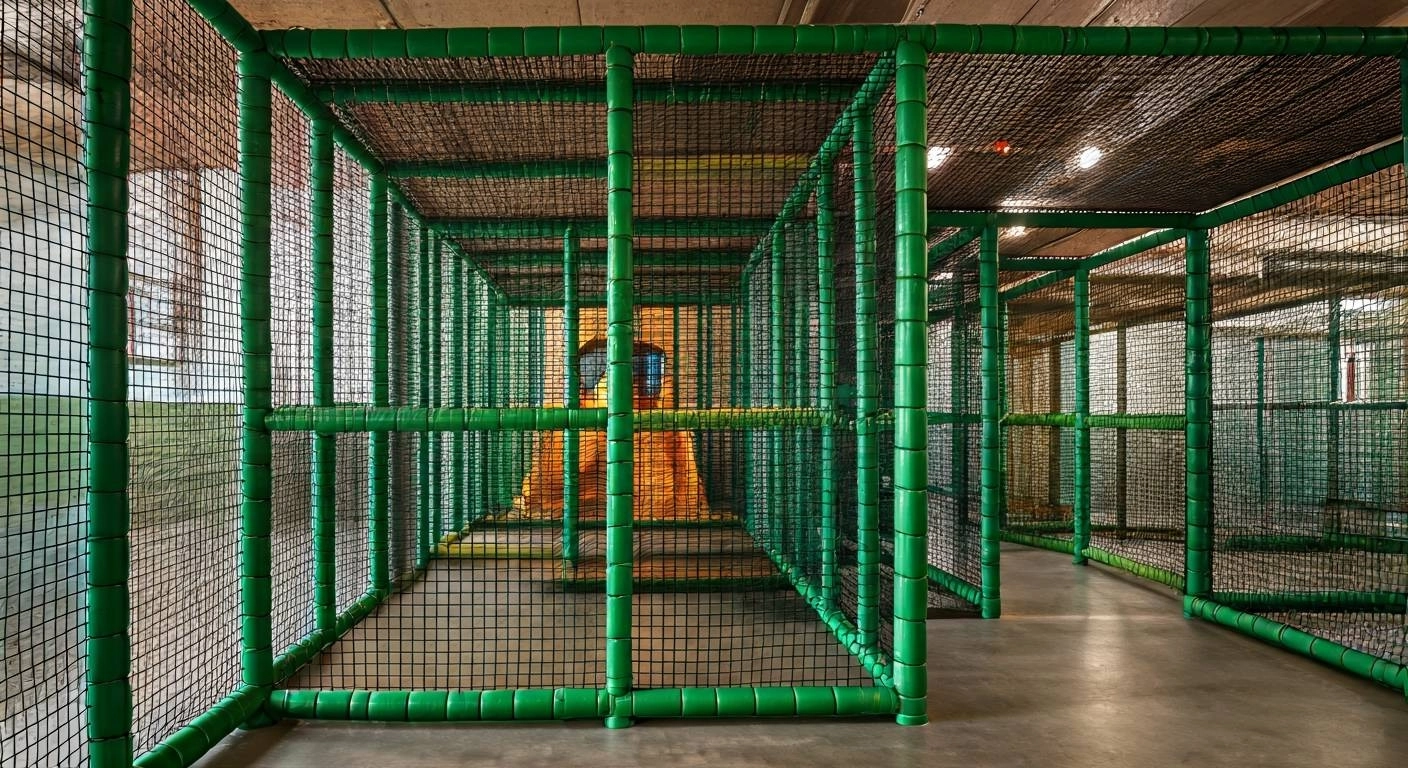
The Indoor Playground Cost Guide
Anti-counterfeit Measures for Chinese Cosmetic Products
Content & SEO Services
What are your content guidelines for guest articles?
Articles must be original, industry-relevant, and at least 800–1200 words. Keyword optimization and high informational value are required.
Special Collaboration
Can I translate your articles for local use?
With written permission, yes. Please credit the original source properly.
Industry Focus & Article Types
Do you publish product category guides?
Yes, we regularly publish industry-specific buyer guides, product trend reports, and supplier comparisons.
Payment & Contact
How do I get in touch with your team?
Visit our “Contact” page or email us directly at [service@wholesale-in-china.com].
How can I pay for your services?
We accept PayPal, bank transfer (T/T), and other international payment methods.
Mobile/WeChat: +86 138 2228 9948
Address: 4F, Jintai Business Building, Mogunan Street, Yongtai, Baiyun District, Guangzhou, Guangdong Province, China.
Wholesale-in-China
Wholesale-in-China
Wholesale-in-China